
Don’t Make This Costly Mistake with Smoke Detectors!
Did you know that simply ignoring your smoke detectors—or letting an old, yellowed one remain on the ceiling—could cost you far more than you realize, risking both lives and property? Don’t fall into the trap of assuming your smoke alarm is fine just because it’s out of sight. In this guide, we will share urgent insider knowledge about smoke detectors, reveal how a small mistake can jeopardize everything, and empower you with the best advice from expert electrician Nathan Tiner of ABR Electric. If you care about your family’s fire safety, this is an article you can’t afford to skip.
Startling Truths About Smoke Detectors and Fire Alarms
“There is no short supply of smoke detectors or carbon combo detectors out there… something is better than nothing.” — Nathan Tiner, ABR Electric
- Why smoke detectors matter now more than ever: Each year, thousands of house fire tragedies could be prevented with current and properly installed smoke alarms. They serve as your home’s early warning system, buying critical seconds that can save lives.
- The vital differences among smoke detectors, smoke alarms, and fire alarms: Not all alarm systems serve the same purpose—knowing which devices offer smoke detection, heat detection, or carbon monoxide protection ensures comprehensive fire safety.
- How ignoring smoke detector maintenance could cost lives: Outdated or malfunctioning alarms may fail at the worst possible time. Regular testing and timely replacement cut your risk of unnecessary tragedy dramatically.
What You’ll Learn in This Guide About Smoke Detectors and Fire Safety
- • Essential features and types of smoke detectors
- • When and why your smoke detector should be replaced
- • The role of carbon monoxide protection
- • How to identify, test, and maintain your smoke alarms
- • Answers to top smoke detector questions
- • Expert insights from Nathan Tiner of ABR Electric
Understanding the Types of Smoke Detectors and Smoke Alarms
Key Varieties: Basic, Hardwired, Interconnected, and Smart Options
- • Differences between simple battery-operated smoke detectors and hardwired smoke alarms
- • Overview of interconnected smoke alarms and fire alarm systems
- • Exploring smart smoke detectors and carbon monoxide combos
- • Benefits and drawbacks of each type
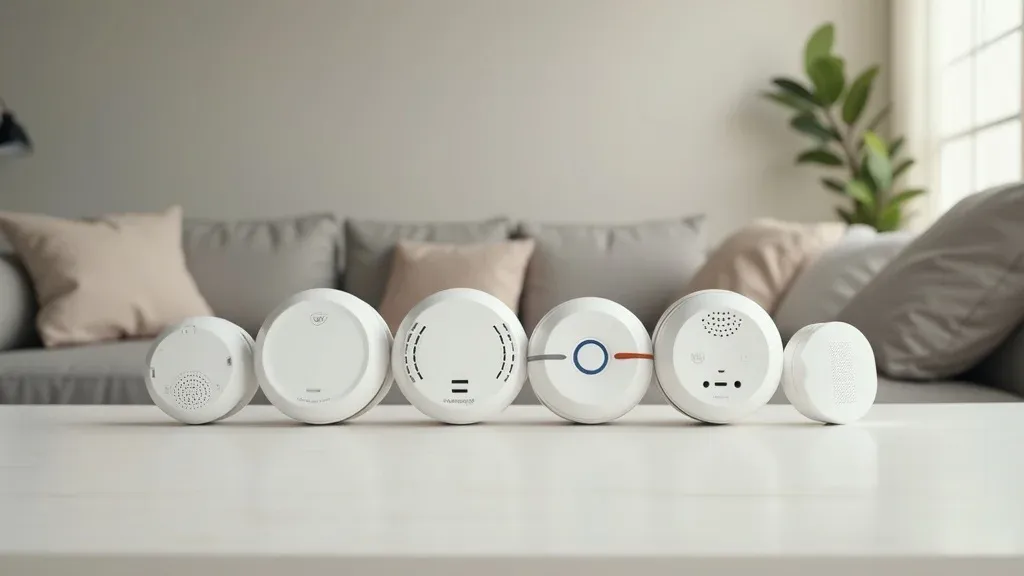
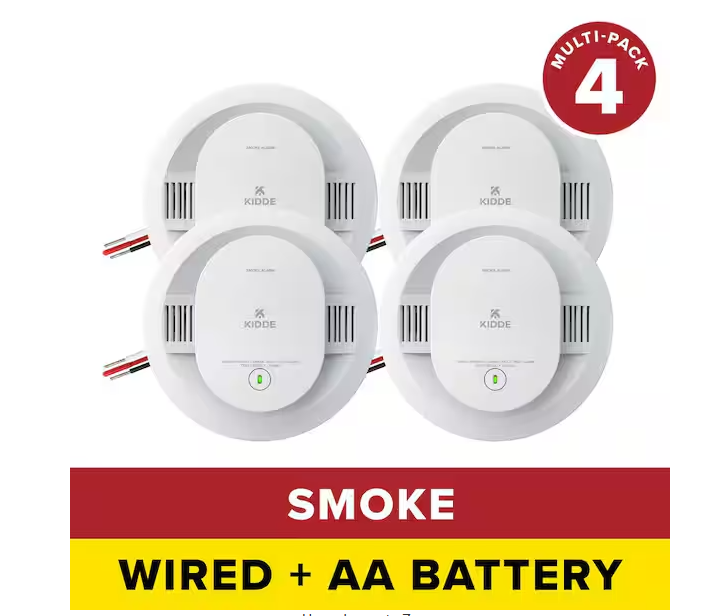
Smoke detectors come in a range of formats, each tailored for specific fire safety needs. Basic battery-operated alarms are cost-effective and easy to install, offering fundamental smoke detection in bedrooms or hallways, especially in homes built before modern codes required hardwired protection. Hardwired smoke alarms are directly powered by your home’s electrical system, providing a consistent layer of safety and often integrating with battery backups to ensure detection during power outages. Interconnected systems take this a step further—when one smoke alarm goes off, all alarms in the home sound as well, maximizing the chances every occupant is alerted, no matter where a fire starts.
Smart smoke detectors are the latest evolution, connecting to your home’s Wi-Fi, syncing with mobile devices, and pairing with security systems. Many new models include carbon monoxide detection, giving you more comprehensive environmental monitoring in one device. Nathan Tiner of ABR Electric emphasizes that with so many alarm features available, you don’t have to choose the most high-tech—“something is better than nothing. ” Yet, interconnected smoke detectors or those with added carbon monoxide protection offer superior peace of mind. Know that carbon monoxide detectors are necessary where gas appliances or attached garages exist, as they detect a deadly, invisible threat.
The Crucial Role of Sealed Batteries and Unit Lifespan in Smoke Detectors
Sealed Battery vs. Replaceable Battery: What’s Better for Your Fire Safety?
- • Impact of sealed battery smoke detectors on maintenance and replacement
- • How a sealed, built-in battery acts as a reminder for replacement every 10 years
- • Understanding the recommended lifespan for smoke detectors (10 years) and carbon monoxide combos (7 years)
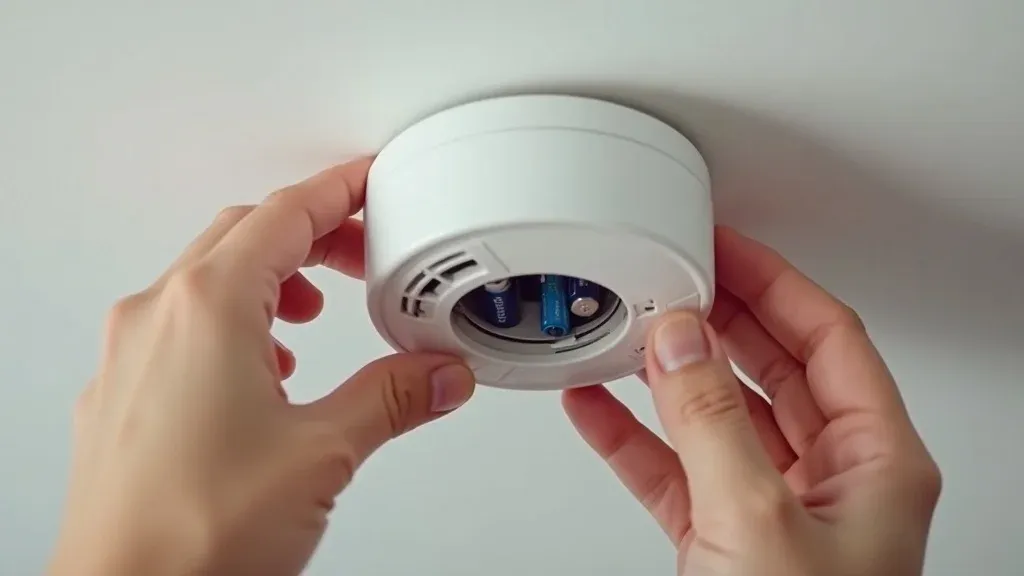
Today’s smoke alarms offer different battery approaches. Sealed battery alarms are increasingly popular—they come with a tamper-proof battery built in, which lasts up to 10 years. This design eliminates annual battery replacements and “battery chirps,” but when the battery reaches the end of life, the entire unit must be replaced. Meanwhile, traditional models with replaceable batteries use 9V or AA batteries, requiring diligent users to change batteries every year or when the battery chirps. Some brands boast “no chirping” claims, but as Nathan Tiner points out, most units still emit warning signals—when the device needs replacing, you’ll still hear it, just for a different reason!
Why does lifespan matter? Beyond battery issues, smoke detector sensors wear out over time, which means their ability to detect smoke or heat diminishes. Nathan Tiner stresses, “Standard smoke detector sensors wear out—absolutely the unit needs to be replaced at 10 years. ” — Nathan Tiner, ABR Electric Manufacturers recommend swapping out smoke detectors at least every decade, and carbon monoxide alarm combos at every seven years, to ensure maximum fire safety. Units older than this, especially those yellowed with age, no longer offer the same reliable early warning.
Avoid the Mistake: How (and When) to Replace Your Smoke Detectors
- • Why old or yellowed smoke detectors compromise fire safety
- • The critical signs your smoke detector needs replacement
- • How to locate the test button and its importance in saving lives
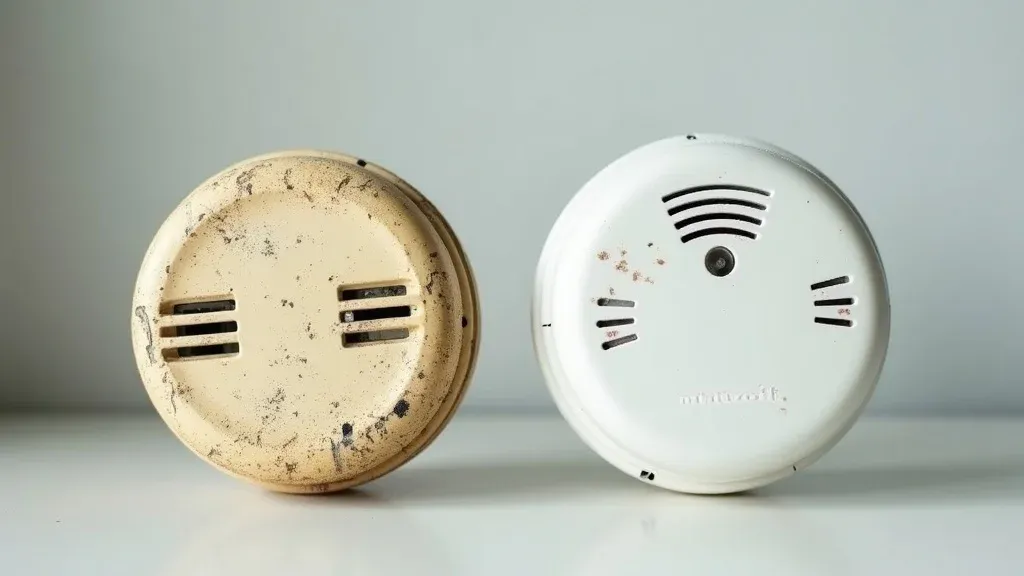
Don’t be lulled into a false sense of security by an old smoke detector. If your device is discolored, has visible wear, or is over 10 years old, it may fail when you need it most. A newly-installed, white detector signals greater reliability, whereas yellowed or aged ones have compromised sensors from years of dust and exposure. According to Nathan Tiner, if your smoke detector is “that fancy yellow color because they’ve been there for a long time. . . they should probably be replaced. ”
Your first safeguard is the test button, found on every modern smoke detector. Press it monthly—if the alarm doesn’t emit a loud, sustained beep or chirp, it’s time for immediate replacement. Never ignore warning chirps for the life of your home, and ensure battery alarms eliminate the risk of forgetting regular replacements. Remember, even smart or interconnected alarms require routine checks and eventual upgrades.
| Device | Lifespan | Key Features | Best Practices |
|---|---|---|---|
| Basic Smoke Detector | 10 years | Battery power, test button, smoke detection | Replace batteries annually, replace unit at 10 years |
| Hardwired Smoke Alarm | 10 years | AC-powered, battery backup, interconnected | Test monthly, replace at 10 years, consult electrician for changes |
| Smart Smoke Alarm | 10 years | Mobile app, CO detection, self-test, Wi-Fi enabled | Keep software updated, verify alerts on devices, test monthly |
| Carbon Monoxide Detector | 7 years | CO sensor, digital display (optional), loud alarm | Replace at 7 years, test monthly, place near sleeping and fuel-burning areas |
| Combination Smoke/CO Alarm | 7–10 years | Smoke and CO detection, various power options | Test monthly, replace per manufacturer, install in key areas |
Smoke Detectors vs. Fire Alarms vs. Carbon Monoxide Alarms: Key Differences
- • Definitions and responsibilities of each device
- • Where to install each type for complete fire safety
- • The benefits of combination smoke and carbon monoxide alarms
It’s common to use the terms interchangeably, but understanding the distinction between smoke detectors, fire alarms, and carbon monoxide detectors can make your fire safety strategy far more effective. Smoke detectors are devices that sense smoke and trigger local alarms; they’re essential for first-floor living spaces, hallways outside bedrooms, and every home level. Fire alarms typically refer to networked whole-home or building-wide systems, which might integrate smoke, heat, and manual pull alarms—best for complex properties or commercial buildings.
Carbon monoxide alarms detect this colorless, odorless gas produced by incomplete combustion in gas appliances or vehicles. Placing a carbon monoxide detector near sleeping areas and utility rooms with fuel-burning devices is critical. Modern combination units provide both smoke and CO protection, making installation simpler and coverage more complete. Nathan Tiner recommends prioritizing proper device placement on every level of your home, including bedrooms and hallways, for comprehensive coverage.

Expert Tips: How to Select, Install, and Maintain Your Smoke Detectors
“Just make sure they’re up to date and current. There’s a test button you can push—it’s important because it saves lives.” — Nathan Tiner, ABR Electric
- Checklist for evaluating new smoke detectors before purchase: Ensure the unit is UL listed, check manufactured date for freshness, decide between replaceable or sealed battery, and prioritize models with test buttons and CO detection capability.
- Tips for homes built before and after 1986: If your home predates modern wiring codes, add battery-operated smoke detectors in all bedrooms and hallways. For recent builds, confirm hardwired/interconnected alarms are present and up to date.
- Maintenance schedule: Test each alarm monthly, dust and clean units every six months, and mark your calendar to replace every smoke detector at the recommended end-of-life interval—10 years for smoke detectors, 7 years for CO units.
- The importance of location: Place alarms inside every bedroom, in hallways outside sleeping areas, and on every level of your home—including the basement. Never install smoke detectors in kitchens or bathrooms, where false alarms (nuisance alarms) may occur, but keep nearby to detect smoke promptly.
People Also Ask: Essential Smoke Detector Questions Answered
What smoke detectors do firemen recommend?
- Fire safety professionals often recommend either interconnected or hardwired smoke detectors with battery backup for maximum reliability and safety. Combination smoke and carbon monoxide units are also highly regarded.
Fire departments stress the importance of using interconnected smoke alarms with both smoke and carbon monoxide detection for the greatest protection. Interconnected units guarantee that every person in the home is alerted simultaneously—an essential detail for multilevel or larger residences.
What are three types of smoke detectors?
- • Ionization smoke detectors
- • Photoelectric smoke detectors
- • Dual-sensor (combination) smoke detectors
Ionization detectors respond faster to flaming fires, while photoelectric alarms are better for smoldering or smoky fires. Dual-sensor models combine both technologies, providing the most comprehensive coverage for all types of fire scenarios.
Do I need an electrician to replace a hardwired smoke alarm?
- For safety, it’s best to consult or hire an electrician when replacing a hardwired smoke alarm. Professional help ensures proper installation and compliance with fire safety codes.
Working with your home’s electrical system should always be left to qualified professionals. ABR Electric’s licensed electricians can ensure your new hardwired smoke alarm is safely and correctly installed, in line with local fire codes.
How do I get free fire alarms?
- Some local fire departments and community organizations provide free smoke detectors or fire alarms to qualifying residents—contact your city’s fire department for programs in your area.
It’s always worth checking with your local fire department or outreach organizations. Many offer free or reduced-cost smoke alarms, installation, or fire safety consultations for those in need.
FAQs About Smoke Detectors, Smoke Alarms, and Fire Safety
- How often should I test my smoke alarms?
You should test your smoke alarms once a month by pressing the test button until you hear a loud beep. Regular testing ensures the device is functioning and provides early warning in case of smoke. Don’t delay—set a monthly reminder! - Do smoke detectors work during power outages?
Yes, most modern smoke detectors come equipped with battery backup systems. These ensure that the alarm will sound an alert even if your home loses power. Always check battery strength and replace as necessary to avoid being caught off-guard. - What is the difference between a fire alarm and smoke detector?
A smoke detector is a standalone device that detects smoke and sounds a local alarm. A fire alarm can be part of a wider building system with multiple detection and alert components, including smoke alarms, heat sensors, and manual triggers. For homes, interconnected smoke alarms serve a similar, whole-home purpose.
Crucial Takeaways to Keep Your Home and Family Protected
- • Always ensure your smoke detectors are current and tested regularly
- • Replace devices at manufacturer-recommended intervals—10 years for smoke detectors, 7 years for carbon monoxide units
- • Prioritize smoke detector placement and type for your unique home needs
- • When in doubt, consult a licensed electrician for installation advice
Ready to Stay Safe? Get Help with Smoke Detectors from ABR Electric
- Don’t leave your fire safety to chance – Contact ABR Electric today for expert consultation and installation support on all your smoke detector Installation and fire safety needs!
Protect your loved ones by choosing the right smoke detectors and ensuring they’re up to date. Trust experts like Nathan Tiner and the ABR Electric team for reliable fire safety solutions—because nothing is more important than your family’s safety.